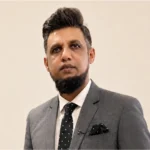
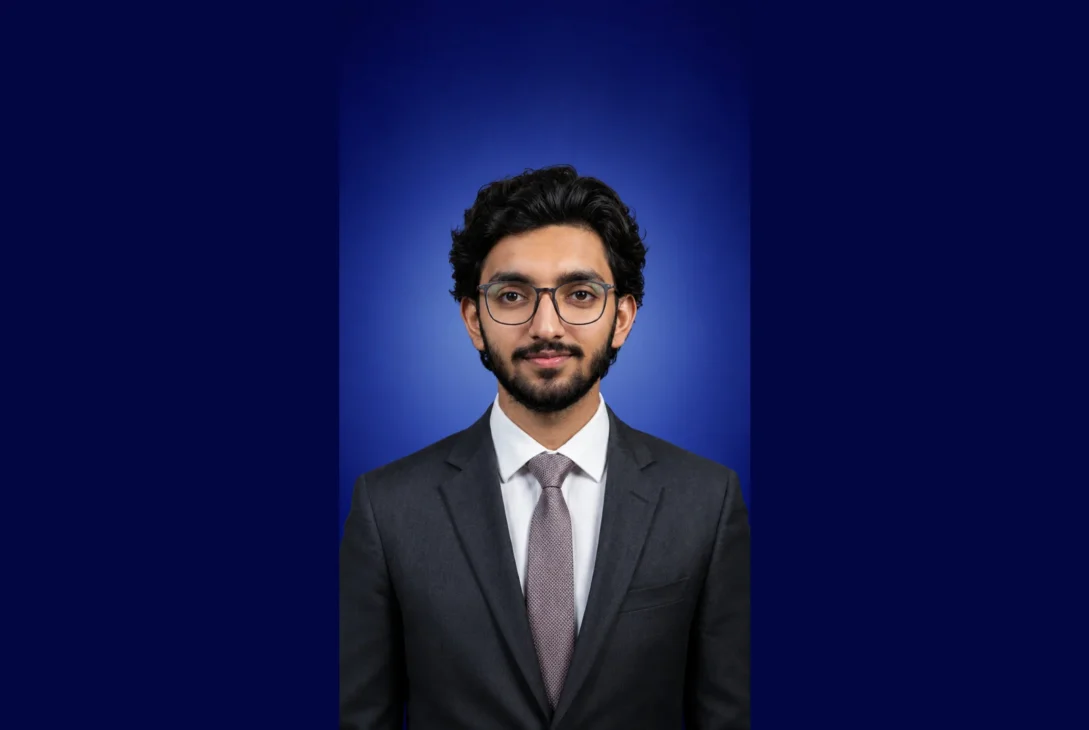
Safeer Ahmad Siddiqui founded LetTech (Pvt) Ltd in 2025, headquartering the company in Peshawar rather than Pakistan’s established tech corridors of Karachi, Lahore, or Islamabad. As Founder and CEO, he co-leads the company with Muhammad Faizan Akhtar, an electrical engineer and Co-Founder & Managing Director previously known for building a brain-controlled wheelchair for quadriplegic patients through his venture Brain Drive Technologies.
LetTech’s business model departs from the outsourcing approach that has defined much of Pakistan’s software industry. Rather than developing services for foreign clients, the company builds and owns seven vertical SaaS products, priced in Pakistani rupees and built specifically for domestic workflows. LetPsyc, described as Pakistan’s first clinical psychology practice management platform, is priced at PKR 6,999 per month and offers Urdu/English bilingual support, WhatsApp reminders, and twelve clinical assessment batteries for practitioners. EduTrack handles fee collection, attendance, and parent communication for private schools. Relently serves study-abroad consultancies with AI-driven pipeline and document tracking. JobMate AI targets recruitment and HR functions, while DisasterSense AI addresses flood and earthquake response, a direct response to Khyber Pakhtunkhwa’s seismic and monsoon exposure. ClinicOS manages private healthcare operations, and SmartSME OS targets Pakistan’s roughly five million small and medium enterprises.
Siddiqui’s decision to build from Peshawar draws on local engineering graduates from institutions including the University of Engineering and Technology Peshawar and FAST-NUCES, supported by infrastructure from the Khyber Pakhtunkhwa IT Board, including the Peshawar Software Technology Park. Lower operating costs relative to Karachi and Lahore extend the runway typical of early-stage B2B SaaS companies, which generally require eighteen to thirty-six months to reach product-market fit.
Siddiqui’s significance lies less in scale, currently unverified through independent funding or user data, than in model: a Pakistani founder building owned intellectual property for domestic industries from outside the country’s traditional startup geography, testing whether regional engineering talent can sustain product companies without relocating to established hubs.