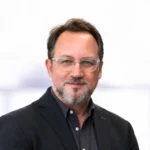
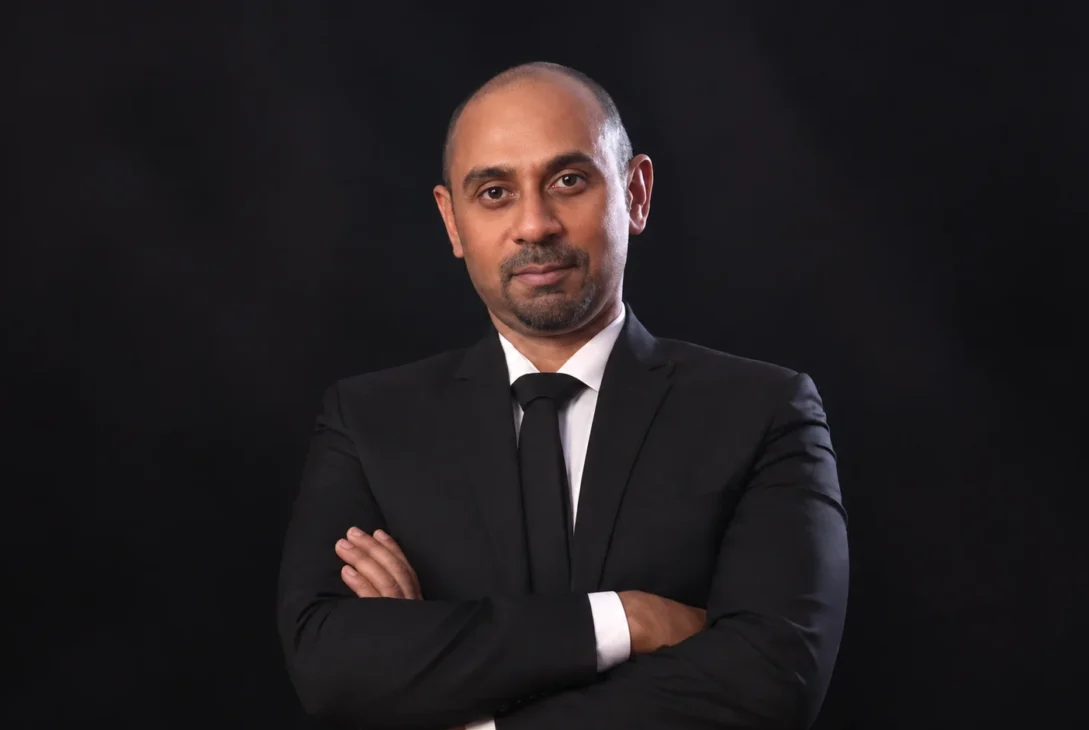
Mohamed Mostafa has spent nearly two decades in software engineering, but his most consequential work has centered on a problem the global AI industry has largely overlooked: building artificial intelligence that treats Arabic as a first language rather than an afterthought. A Computer Science graduate of October 6 University and an AWS Certified Developer, Mostafa serves as Co-Founder and Chief Technology Officer of WideBot, the Cairo-founded, Riyadh-based AI company he helped build alongside CEO Mohamed Nabil and fellow co-founder Saif Ahmed.
WideBot began as the Arab world’s first Arabic-language chatbot-building platform, and under Mostafa’s technical leadership, has since evolved into a broader AI infrastructure company. Its proprietary AQL models — including AQL Mind, a generative AI system, and AQL’s speech technology — are trained specifically on Arabic datasets and can recognize more than 25 regional dialects, from Egyptian to Emirati to Saudi. As Mostafa has put it regarding the company’s recent Arabic voice-agent product for WhatsApp, “This isn’t a translation; it’s a creation for Arabic users.”
That focus has attracted institutional backing. In 2025, WideBot secured $3 million in pre-Series A funding led by Keheilan Asset Management II and Saudi investment firm Wafra, with participation from Enza Capital, DisrupTech Ventures, and SparkLabs, among others — funding earmarked specifically to advance the company’s Arabic large language model work. WideBot now serves more than 350 clients across a dozen countries, including government entities such as Saudi Arabia’s Ministry of Hajj and Umrah and Egypt’s Tax Portal.
Mostafa remains an active voice in regional AI infrastructure conversations, participating in forums such as the Bologna AI Hub Ecosystem Event, where he has discussed compute access and sovereign AI development across Africa. His work reflects a broader push to ensure that as generative AI scales globally, Arabic-speaking users are served by systems built for their language, not retrofitted from English.