
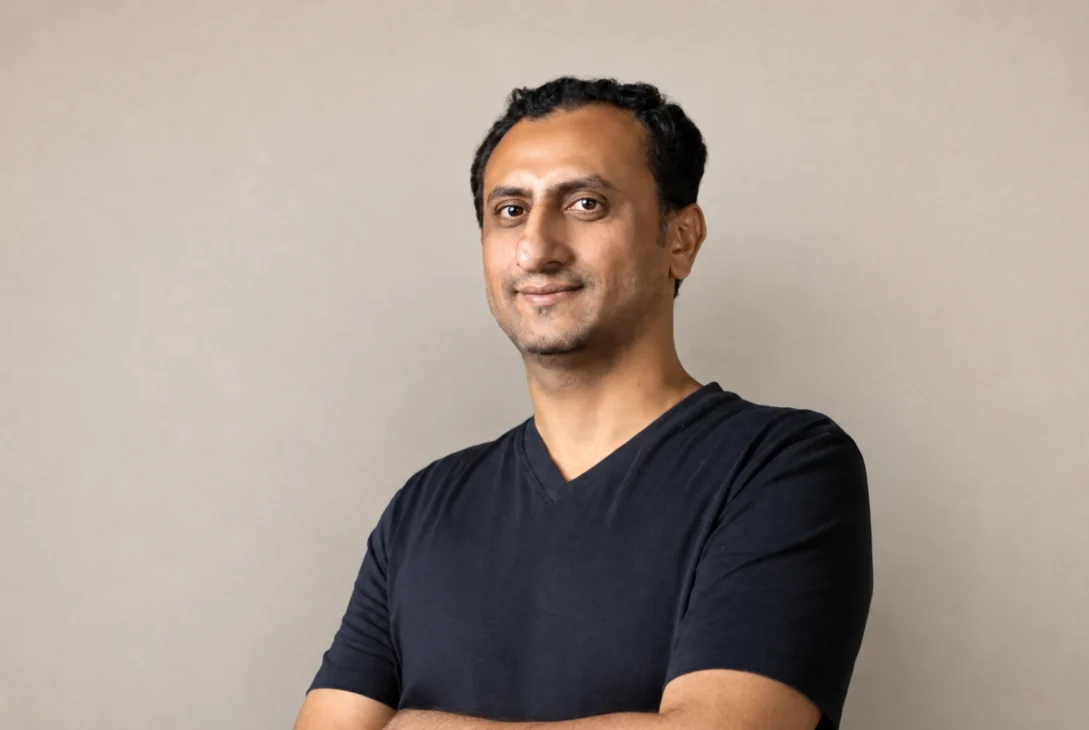
Tahir Rasheed has spent more than seventeen years building enterprise-scale software, a career that has recently pivoted toward architecting AI-native systems as an independent practitioner. Educated at the Federal Urdu University of Arts, Science and Technology, Rasheed built his early technical foundation before moving into engineering leadership roles that spanned high-performing development teams and large-scale digital transformation initiatives.
A significant chapter of his career included work as Technical Lead on API development for the Entertainer mobile app, a Dubai-based e-commerce and offers platform, where colleagues have credited him with strong technical depth across complex frameworks and systems, alongside an ability to translate technical concepts for broader teams. This enterprise engineering background, spanning cloud infrastructure, MLOps, and Python-based development across AWS and Azure environments, forms the technical backbone of his current specialization.
Rasheed has since repositioned himself as an AI Engineering Leader and Solution Architect, concentrating on agentic AI systems, large language models, and retrieval-augmented generation, the technique that grounds AI outputs in a defined knowledge base rather than relying purely on a model’s trained parameters. According to his professional profile, his recent focus centers on architecting the shift from traditional engineering models toward AI-first development approaches, applying his enterprise background to voice AI, RAG pipelines, and automation systems as an independent builder.
Now based between the United States and Pakistan, with professional listings indicating openness to on-site, hybrid, and remote engagements based in Lahore District, Rasheed represents a growing category of veteran enterprise engineers transitioning into specialized, solo AI practice rather than remaining within large corporate structures. His trajectory, from mobile app infrastructure at a regional e-commerce platform to independent architecture of agentic AI systems, reflects a broader pattern among senior technologists: applying two decades of enterprise software discipline to the more fluid, fast-moving demands of applied generative AI, where deep infrastructure experience increasingly matters as much as newer AI-specific expertise.