
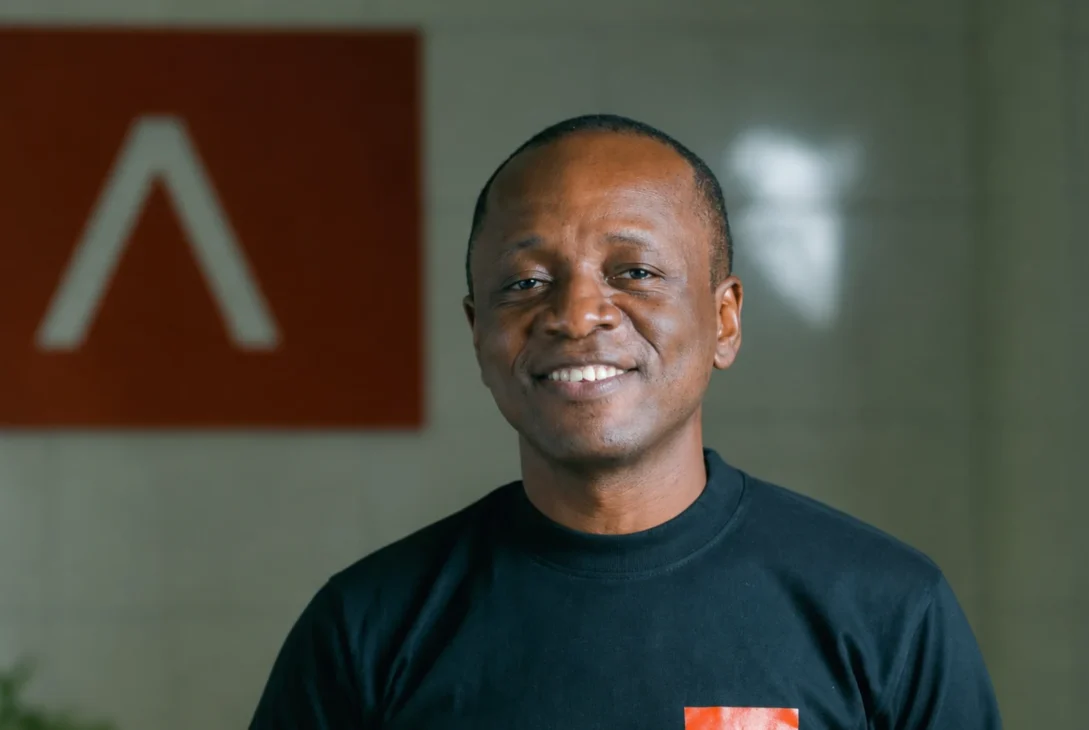
Luc Okalobé founded Yamify in 2024 after fifteen years building cloud infrastructure and distributed systems in Silicon Valley for companies including Apple, Yahoo, Salesforce, TikTok, Pinterest, and IBM. After returning to Congo-Brazzaville, Okalobé encountered firsthand how difficult it remained for African developers and organizations to access reliable AI and cloud computing, a gap that became the founding thesis for his company: rather than adapting global cloud infrastructure built for stable Western markets to Africa’s more volatile conditions, he built infrastructure designed for the continent from the start.
Yamify, often described as the “Heroku for AI tools in Africa,” runs GPU-powered clusters, internally called “YAMs,” hosted in data centers across Nigeria, Congo, and South Africa, including Kinshasa’s Tier-III OADC facility, with global cloud providers serving only as backup. The platform allows freelancers, startups, and web agencies to deploy open-source AI tools including chatbots, automation agents, and language models in under a minute, without requiring in-house cloud engineering teams. Rather than the standard $20-a-month SaaS licensing model common among Western competitors, Yamify bills in local currencies including Nigerian naira, M-Pesa, and MTN MoMo, with paid plans starting at $15 a month for individuals.
The company entered private beta in July 2025 and has since attracted more than 1,500 developers and startups to its waitlist, including Vaultpay.io, a Y Combinator 2023 company, with early traction concentrated in Lagos, Kinshasa, Brazzaville, Johannesburg, and San Francisco. Yamify launched with a $100,000 investment from Felix Anane, an early backer of the fintech company Paystack, and has since secured additional pre-seed funding from Launch Africa Ventures, alongside distribution partnerships with Open Access Data Centres and Cassava AI. The company is developing a Model Context Protocol feature intended to let users provision AI tools through a chat interface, compressing deployment from days to minutes.
Okalobé’s go-to-market strategy deliberately targets developers unfamiliar with major cloud providers like AWS rather than pursuing enterprise sales, embedding instead in hackathons, developer communities, and universities. His stated philosophy, that “Africa should not wait to be included in the AI wave, we should build it,” reflects a broader argument now gaining traction among African infrastructure builders: that data sovereignty, currency-appropriate billing, and locally hosted compute represent a durable competitive advantage against global hyperscalers rather than a temporary workaround.